
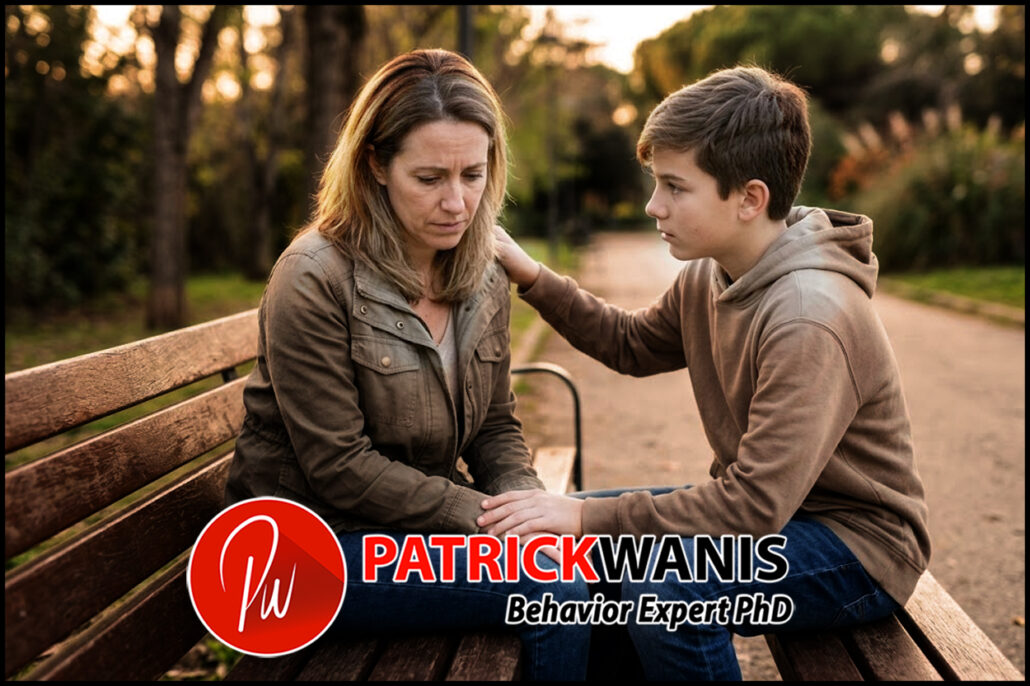
Mother-Son Enmeshment – When the boundaries and identities are blurred
A mother’s love is one of the most powerful influences in her son’s life. When that love provides emotional security, encouragement, affection and healthy boundaries, it helps him develop confidence, independence and the ability to form loving relationships.
But what happens when a mother’s emotional needs become more important than her son’s individuality or authenticity?
What happens when he feels responsible for her happiness, guilty for disappointing her, or afraid to make decisions without her approval?
This is where love becomes enmeshment.
What Is Enmeshment?
Enmeshment is a relationship dynamic in which emotional boundaries become blurred, and a son’s independence feels like a threat to their relationship.
Healthy closeness involves a strong emotional bond. But enmeshment goes further; it involves a loss of psychological separation, where the son struggles to distinguish his mother’s feelings, expectations and needs from his own. Their identities and boundaries are blurred and thus enmeshed.
From Son to “Tower of Strength” – How Mother-Son Enmeshment Develops
Enmeshment begins in childhood, sometimes without either parent or child directly recognizing what’s happening.
A mother who feels lonely, emotionally neglected, abandoned or dissatisfied in her marriage may begin relying on her son for emotional comfort. She might confide in him about adult problems, turn to him for reassurance, advice, or make him feel that he’s the only person who truly understands her.
In some families, the son becomes his mother’s protector, mediator or emotional companion or confidante. He learns to monitor her moods, anticipate her needs and avoid anything that might upset her. He may even take sides with her against his father or siblings.
Sometimes the messages are direct such as “You’re the only man I can depend on,” or “After everything I’ve sacrificed for you, how could you do this to me?”
Other times, the messages are subtle. His mother becomes withdrawn when he spends time with friends, expresses disappointment when he makes independent decisions, or reacts negatively when he develops a serious romantic relationship. He witnesses her sadness and begins to feel responsible.
The child gradually learns an unconscious lesson: My mother’s happiness depends on me, and if I choose myself, I will hurt her or betray her.
What appears to be devotion has now become an emotional obligation.
For me, the enmeshment had a clear beginning: age 10, crying to my mother, and she responded with “Don’t cry. You’re my tower of strength.” In that moment everything changed for me; my identity and purpose was to be strong for her.
When Love Becomes Responsibility – The Cost of Emotional Parentification
One of the most damaging aspects of mother-son enmeshment is the confusion between love and responsibility.
A child naturally wants his mother’s love and approval. But when he becomes responsible for her emotional wellbeing, he begins believing that his value comes from keeping her happy.
He might feel guilty saying no or anxious when she is upset, or compelled to solve her problems.
This is a form of emotional parentification, where the child assumes responsibilities that don’t belong to him but rather they belong to an adult. The boy’s childhood has now ended. He is no longer a free spirit being protected and nurtured; he’s taking care and/or protecting his mother.
He develops an identity built around being the good son, the man of the house, the protector or the one who never disappoints his mother.
The problem is that he learns to maintain connection through self-sacrifice rather than through mutual love and respect.
In turn, as an adult, he’ll struggle to recognize his own needs because he has spent so much of his life attending to someone else’s.
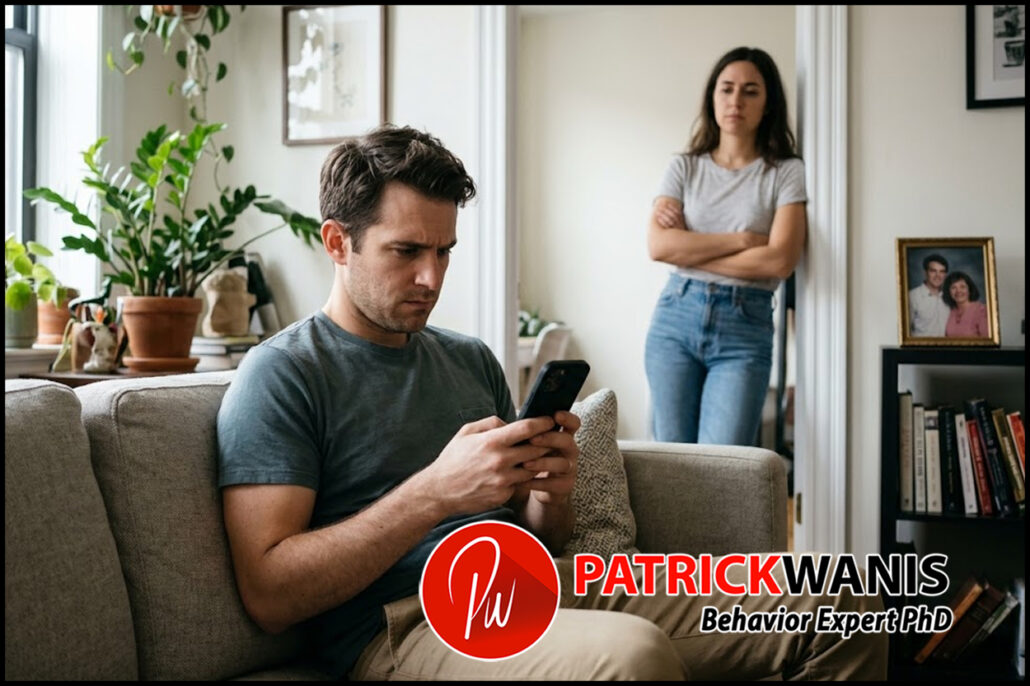
How Mother-Son Enmeshment Destroys Marriages and Romantic Relationships
Mother-son enmeshment becomes particularly destructive when the son enters a serious romantic relationship or marriage.
A healthy adult relationship requires emotional availability, loyalty, intimacy and the ability to establish boundaries with extended family.
But an enmeshed son may experience an internal conflict between his mother and his partner. He may feel that prioritizing his partner means betraying his mother.
For example, his mother might criticize his partner, interfere with parenting decisions, expect unrestricted access to his home, or demand that he spend important occasions with her.
Rather than setting boundaries, the son minimizes the behavior, defends his mother or pressures his partner to accommodate her.
He might respond with, “That’s just how Mum is,” or “She’s my mother. What do you expect me to do?”
In turn, his partner will say that she then feels unsupported, unprotected and emotionally secondary.
The deeper issue isn’t necessarily that he loves his mother more than his partner. It’s that he hasn’t learned how to love his mother without feeling responsible for her emotions or happiness. He’ll most likely also be plagued or controlled by guilt.
Accordingly, boundaries that are normal expressions of adulthood now trigger guilt, fear and defensiveness.
The Illusion of Betrayal & Guilt – The Hidden Fear of Becoming Independent
For an enmeshed son, independence may unconsciously represent abandoning his mother.
He fears that making his own decisions will hurt his mother, destroy their relationship or leave her alone, abandoned. This is another impact of mother-son enmeshment.
If his mother has repeatedly portrayed herself as helpless, vulnerable or dependent on him, he might also believe that something terrible could happen if he stops protecting her.
This creates a psychological trap: he wants freedom, but freedom produces guilt.
He wants intimacy with his partner, but intimacy requires emotional separation from his mother.
He wants to become his own man, but part of him still believes that being a good son means never disappointing her.
The result can be chronic indecision, resentment, anxiety, avoidance of confrontation and difficulty establishing a separate adult identity.
Reclaiming Your Manhood & Boundaries: Breaking Free From Enmeshment – Without Abandoning Your Mother
Healing mother-son enmeshment doesn’t require rejecting, punishing or cutting off one’s mother. Nor does it require blaming her for everything that has happened.
It begins with recognizing the difference between love and obligation.
An adult son can love his mother, respect her, support her and remain emotionally connected without assuming responsibility for her happiness, loneliness or reactions to his decisions.
He can listen compassionately without becoming her therapist. He can disagree without becoming disrespectful. He can prioritize his partner and children without abandoning his mother.
Usually, this requires addressing childhood experiences that taught them that love was conditional upon obedience, sacrifice or emotional caretaking. Once love becomes conditional, then a false self is created – playing a role for love and connection.
The deeper healing involves releasing the childhood belief that “I must keep my mother happy to be loved, accepted or worthy.”
A mother can also contribute to healing by encouraging her son’s independence, respecting his boundaries and finding emotional support beyond him.
Ultimately, healthy love allows two people to remain connected while being separate individuals.
A mother’s greatest gift isn’t raising a son who can never leave her emotionally. It’s raising a man who feels secure enough to make his own choices, build his own relationships and live his own life, knowing that her love doesn’t depend on his obedience.
Genuine love doesn’t demand that someone sacrifice their identity to preserve the relationship. It gives them the freedom to become who they truly are.
If you are ready to release the guilt, establish healthy boundaries, and step fully into your own manhood without abandoning your family, schedule a 1-on-1 private session with me today.

Patrick Wanis, PhD, is a renowned relationship and behavioral expert with over 25 years of experience. Creator of SRTT Therapy (Subconscious Rapid Transformation Technique), he specializes in resolving root causes of trauma and other conditions without reliving pain or retraumatization. He has developed various psychological assessments on emotional intelligence, relationships, self-sabotage, and authenticity, and serves diverse clients from celebrities to teens. A trusted media source, Global media including CNN, BBC, FOX News turn to Wanis for insights into relationships, sexuality, human motivation, trauma, communication, body language, and persuasion.