
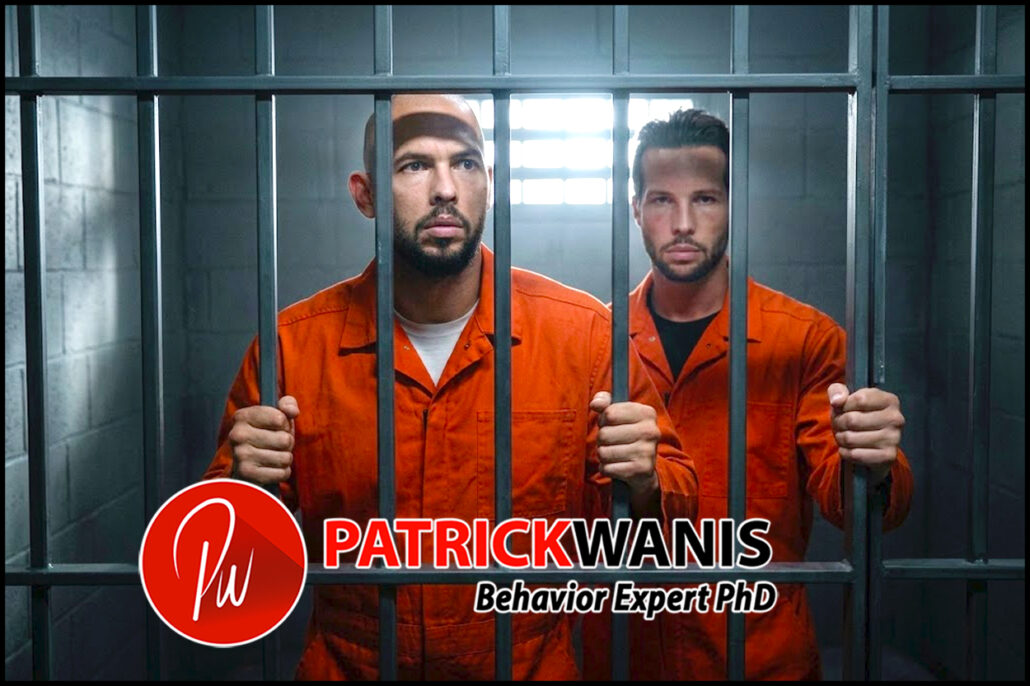
For years, Andrew and Tristan Tate sold young men an alluring fantasy: become rich, powerful, dominant, and sexually successful, and you will finally become somebody. Andrew Tate appealed to the psychological void in young men!
The Tate playbook was remarkably simple: bravado, machismo, and conspicuous wealth. The luxury cars, expensive watches, mansions, and beautiful women were not merely displays of success. They were symbols of something much deeper: power, freedom, significance, respect, and masculine status.
Recently, lawyers representing the Tate brothers revealed in court that much of their lavish show of wealth was exaggerated or fake and that the luxury cars associated with their online image were borrowed or rented. Meanwhile, serious criminal allegations against them include rape, sex-trafficking, assault, indecent images of a child, trafficking minors, money laundering, sex with a minor, and witness tampering.
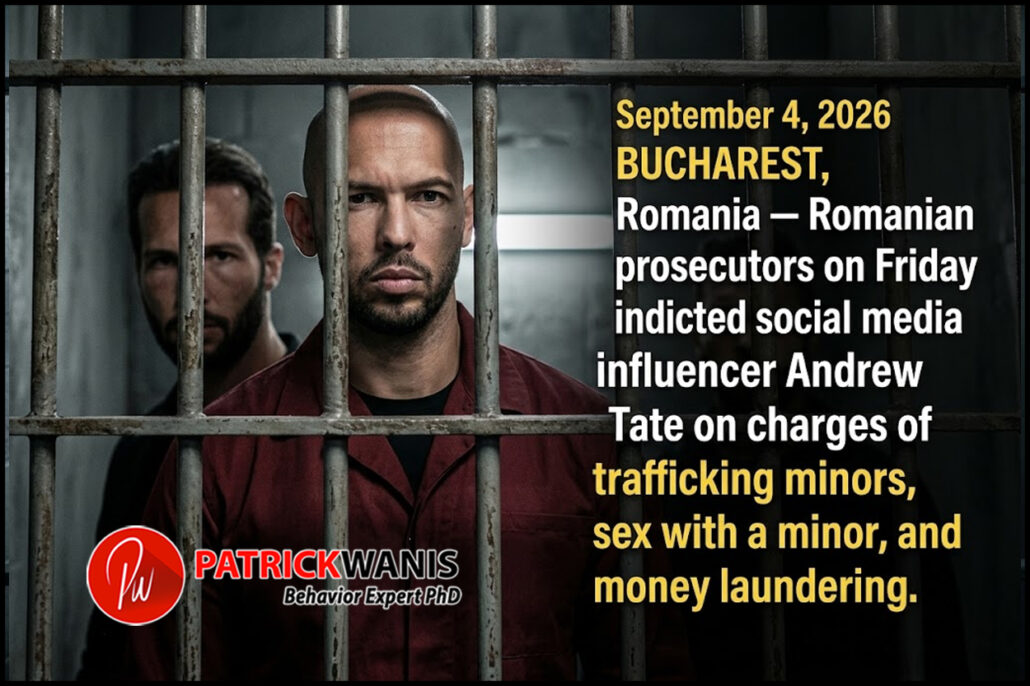
The Tates deny these charges. But regardless of the outcome of those legal cases, the bigger psychological question remains: Why were millions of young men attracted to this fantasy in the first place?
It isn’t simply about misogyny, which is not innate. The Tate brothers identified a massive psychological void in young men, validated their pain, offered themselves as proof that the void could be filled, and monetized the solution.
Here are the 6 psychological mechanisms that reveal why millions of young men bought the illusion.
1. The Andrew Tate Psychological Void: Emptiness – A Generation Without Fathers
Many boys and young men today are desperately searching for identity, direction, and purpose. They are asking fundamental questions: Who am I? What does it mean to be a man? Where do I belong? How do I earn respect? How do I handle rejection?
Tragically, millions are growing up without emotionally present fathers or healthy male mentors to answer those questions.
This absence drives the explosive growth of the “manosphere” – an online ecosystem of influencers, communities, and content focused on male identity, dating, and grievances. Many of these young men are genuinely disillusioned, feeling they received a raw deal compared to previous generations and that nobody cares about their struggles.
Combine loneliness, financial anxiety, sexual rejection, and low self-confidence, and you get an enormous psychological void.
When an influencer appears on their phone saying, “I see you. I care about men like you. Follow me and I’ll show you how to become powerful and respected,” it creates a visceral connection. He didn’t just offer advice; he offered validation to young men who felt invisible.
2. The Desire For Power & Control vs. Real Self-Mastery
One of the strongest human needs is agency – the belief that you have control over your life and your outcomes.
Andrew and Tristan Tate sold an extreme, twisted version of agency: Stop being weak, make money, dominate your environment, and don’t let anyone tell you what to do.
Young men do need agency, discipline, responsibility, and independence. But agency is not domination.
Here is the core contradiction: A man who feels compelled to control, dominate, and intimidate everyone around him is not demonstrating security; he is being ruled by his own deep insecurity. If your sense of power depends on dominating women, posturing for other men, and constantly proving your status, then other people still dictate how you feel about yourself.
Real power isn’t controlling others. Real power is self-mastery – the ability to control your own impulses, emotional state, choices, and direction.
3. Money, Success And The Inferiority Complex
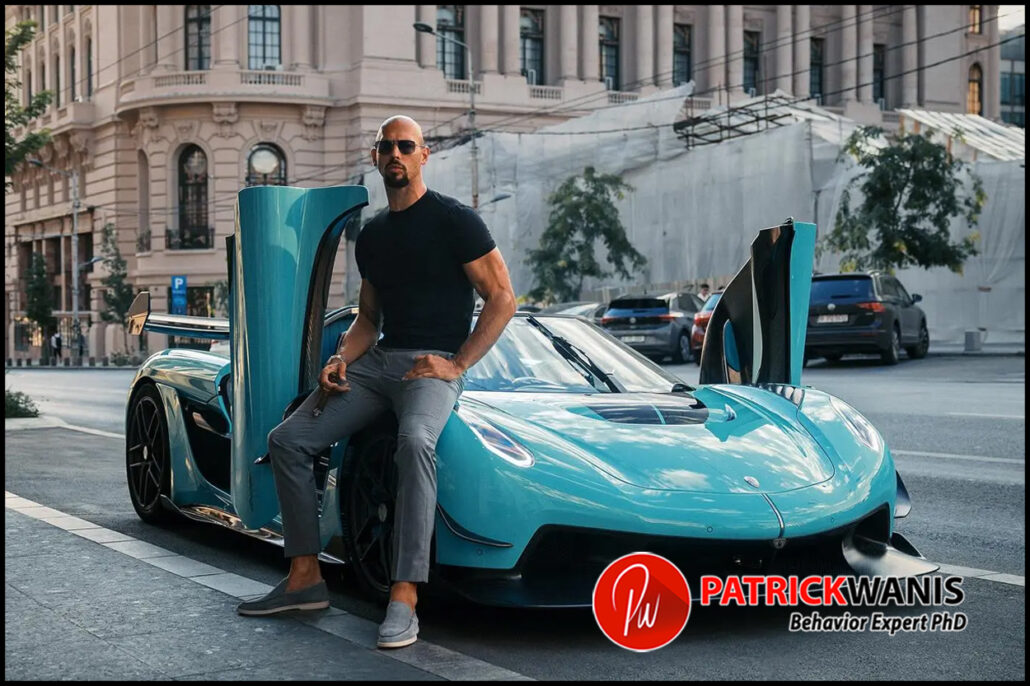
Andrew Tate’s supercars and watches were essential to the sales pitch because they offered manufactured proof: “Look at me. I’m powerful. Women want me. You can be like me too.”
This marketing strategy preys directly on an existing inferiority complex. If a young man already feels weak, unwanted, or insignificant, the scammer only has to flash an image of everything the young man lacks and promise him access to it.
For a boy who feels invisible, money is unconsciously equated to worth: Money = Success = Respect = Significance = Freedom.
Underneath that equation lies a toxic subconscious belief: “If I become successful enough, nobody can ever dismiss or hurt me again.”
Wanting financial success is healthy. The danger occurs when achievement is used as a desperate attempt to prove your human worth. If you fundamentally believe you are insignificant, another million dollars or another luxury car will never change that internal program.
4. Women Used as Trophies of Masculine Worth
In the manosphere fantasy, women are stripped of their humanity and converted into status symbols.
For an insecure young man, female attention is used as evidence of male value: “If women want me, I’m attractive. If I have multiple women, I’m powerful. If men envy me, I’ve won.”
Women are no longer human beings with whom to build intimacy, trust, and connection; they become trophies proving masculine status.
But sexual conquest cannot cure internal loneliness. You can sleep with dozens of people and still wake up completely empty. Sex cannot fill a void created by a lack of self-worth.
5. The Need to Belong: Tate Was Selling a Tribe to the Isolated
This is the most overlooked element of the influencer phenomenon: They weren’t just selling wealth; they were selling a tribe.
The message was: “You’re one of us. Everyone else is lying to you. We have the secret truth.”
For an isolated young man, belonging to a clear, aggressive tribe is intoxicating. Human beings starving for connection and clarity are deeply attracted to absolute certainty. This is the exact mechanism cults use to recruit vulnerable members.
When dating, money, identity, and the future feel overwhelming and confusing, a charismatic figure offering absolute, black-and-white rules feels safe. Complexity disappears, certainty replaces confusion, and belonging replaces isolation.
6. The Manufactured Reality of Social Media
Social media allows manipulators to do more than just lie; it allows them to manufacture visual evidence of a lie.
Rent a Lamborghini, wear a borrowed watch, stand next to a private jet, surround yourself with hired models, and post the video on a loop. Within seconds, an impressionable mind concludes: “He’s successful, so he must be right.”
They aren’t looking at a real life; they are looking at staged, commercial content designed to exploit their insecurities and extract their money.
This presents parents and mentors with a critical teachable moment: Social media is an illusion. People deliberately manufacture fantasies of wealth, happiness, and status specifically to profit from the people who feel inadequate watching them.
You Cannot Fill an Internal Void with External Success
Young men don’t deserve shame for desiring strength, success, financial independence, love, confidence, and respect. Those desires are natural and healthy.
- Wanting agency is healthy – but agency is self-mastery, not domination.
- Wanting success is healthy – but success doesn’t determine your value.
- Wanting romantic connection is natural – but women are partners, not trophies.
- Wanting belonging is human – but belonging shouldn’t require hating outside groups.
The problem is never the desire; it is what you are told will fulfill it.
At the end of the day, supercars, conquests, and millions of online followers cannot cure the inner pain of an emotionally absent father, unresolved childhood wounds, or a core belief of unworthiness.
When you use external achievement to patch an internal wound, enough will never be enough. You will always need another dollar, another car, and another ego boost to quiet the internal voice: “I’m still not enough.”
This is why fathers, mothers, and healthy male mentors need to step up. We must answer the hard questions young men are asking about identity, respect, relationships, and strength. Because if we don’t help them build a grounded foundation of true self-worth, someone online will gladly sell them a fake one.

Patrick Wanis, PhD, is a renowned relationship and behavioral expert with over 25 years of experience. Creator of SRTT Therapy (Subconscious Rapid Transformation Technique), he specializes in resolving root causes of trauma and other conditions without reliving pain or retraumatization. He has developed various psychological assessments on emotional intelligence, relationships, self-sabotage, and authenticity, and serves diverse clients from celebrities to teens. A trusted media source, Global media including CNN, BBC, FOX News turn to Wanis for insights into relationships, sexuality, human motivation, trauma, communication, body language, and persuasion.