
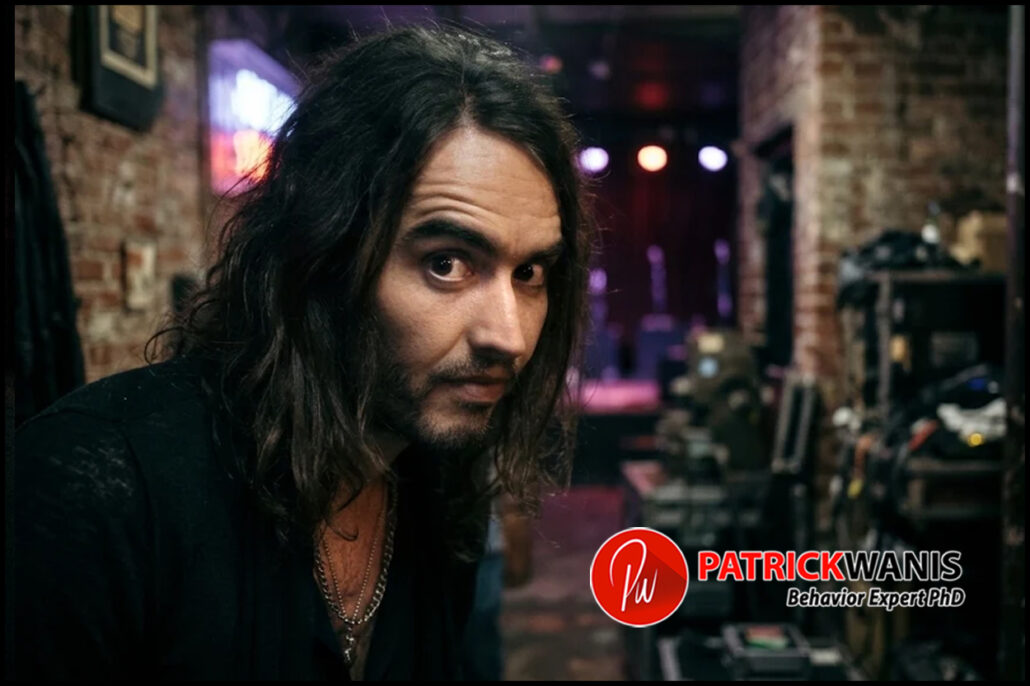
On November 5, 2026, a jury convicted Russell Brand of one count of rape and three counts of sexual assault, while acquitting him of three other charges. On November 9, he was sentenced to 10 years and six months in prison.
Whenever a celebrity or high-profile figure faces serious allegations of sexual misconduct, the public conversation almost immediately splits down partisan lines. Instead of examining human behavior, personal boundaries, and legal accountability, people rush to reduce complex realities into a single political narrative.
The case surrounding Russell Brand is a prime example. To truly understand what this moment represents, we cannot reduce it to a single soundbite or a political conspiracy. There are multiple truths unfolding simultaneously, and each one reveals something critical about consent, power, and how society is evolving.
1. Consent Is Specific and Revocable, Not a Blanket License
The most fundamental issue at the heart of the Russell Brand case is a widespread misunderstanding of how consent actually works.
In one instance, a woman consented to one aspect of a sexual encounter, yet did not consent to another. Many people mistakenly operate under the subconscious belief that once a woman agrees to intimacy, she has signed over a blank check.
That is false.
Consenting to one sexual act is not granting permission for every sexual act. Saying “yes” to kissing, presence, or a specific form of intimacy is never a complete and total surrender of bodily autonomy. Furthermore, consent is active and ongoing. Every person has the absolute right to pause, change their mind, and withdraw consent at any point, even halfway through the act. When one person overrides that boundary, it stops being mutual intimacy and becomes coercion.
2. Time and Evidence Don’t Erase Accountability
A common defense raised by Brand’s supporters is that these events occurred roughly 20 years ago and that there is no DNA evidence to prove them.
First, in the United Kingdom, there is no statute of limitations on serious sexual offenses. Simply because two decades have passed does not mean a crime never happened, nor does time magically absolve a perpetrator of responsibility. Waiting years to come forward is a well-documented psychological response to trauma, shame, and power imbalances.
Second, the absence of 20-year-old forensic DNA does not mean there is an absence of truth or evidence. In fact, the legal process demonstrated careful discernment rather than a blind witch hunt: the very same court and jury acquitted Brand on certain charges while finding him guilty on others. That distinction proves the evidence was weighed on its merits, not driven by mob mentality.
3. Dismantling the “Political Witch Hunt” Narrative
Many people insist that Brand is being targeted solely because of his outspoken anti-establishment stance, his critiques of big pharma, his shift toward right-wing commentary, or his newfound Christian faith. To be completely open, it’s worth noting the timeline: Brand converted to Christianity after the investigative documentary aired and the allegations surfaced, not before.
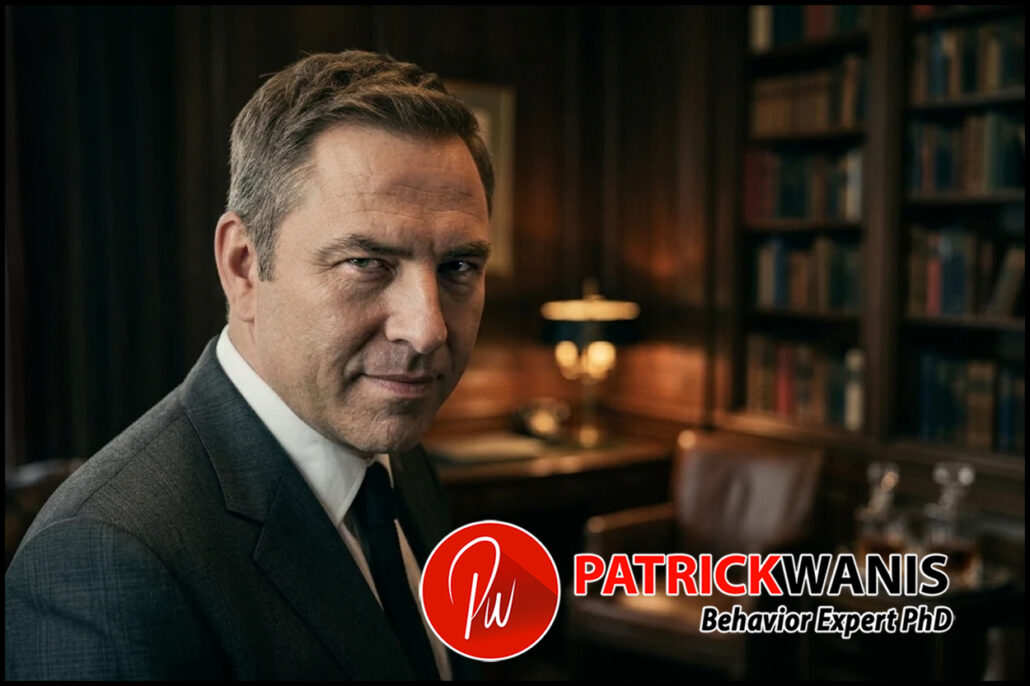
More importantly, if this were purely a coordinated political hit against conservative voices, how do we explain the simultaneous UK media exposure of David Walliams? Walliams, a celebrated comedian, actor, and children’s author, is openly liberal and firmly aligned with mainstream progressive values. Yet his behavior is facing the exact same public scrutiny, and his career is being torn down. Walliams denies the sexual misconduct allegations reported in November 2026. Police have opened an investigation into separate allegations. He’s accused of preying on girls as young as 15.
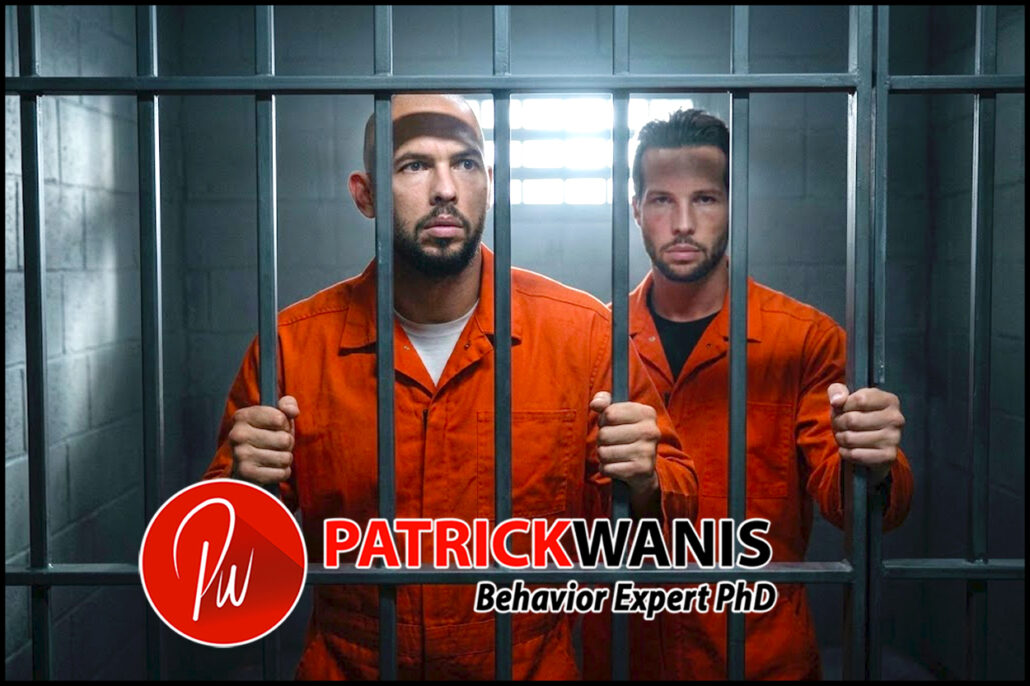
Look also at the chronology of the legal cases against Andrew Tate and his brother Tristan Tate. Supporters often frame their legal battles as a Western political attack. Yet it was Romania, not just the UK, that first pursued them. For a period, their political alliances with the Trump administration appeared to insulate them, yet Romania has resumed pressing forward. Moreover, the charges against the Tate brothers go far beyond simple sexual assault; they involve rape, sexual assault, facilitating trafficking for sexual exploitation, assault, extreme pornography, and offenses involving indecent images of a child.
When you look at Brand, Walliams, and the Tates side by side, the “political persecution” excuse collapses. Left-wing, right-wing, establishment, or anti-establishment; none of those labels explain the pattern.
4. The Cultural Evolution, Institutional Complicity and the Jimmy Saville Parallel
What we’re witnessing isn’t a partisan war; it is the next evolution of the #MeToo movement. Society is shifting its standards on power, boundaries, and accountability.
At its core, this behavior is driven by the intoxication of power and privilege, where status and opportunity convince an individual that standard rules of human decency and consent no longer apply to them. When unchecked authority meets institutional protection, privilege ceases to be an advantage and becomes a weapon used to silence and exploit others. Britain’s media continued shielding its biggest stars for decades.
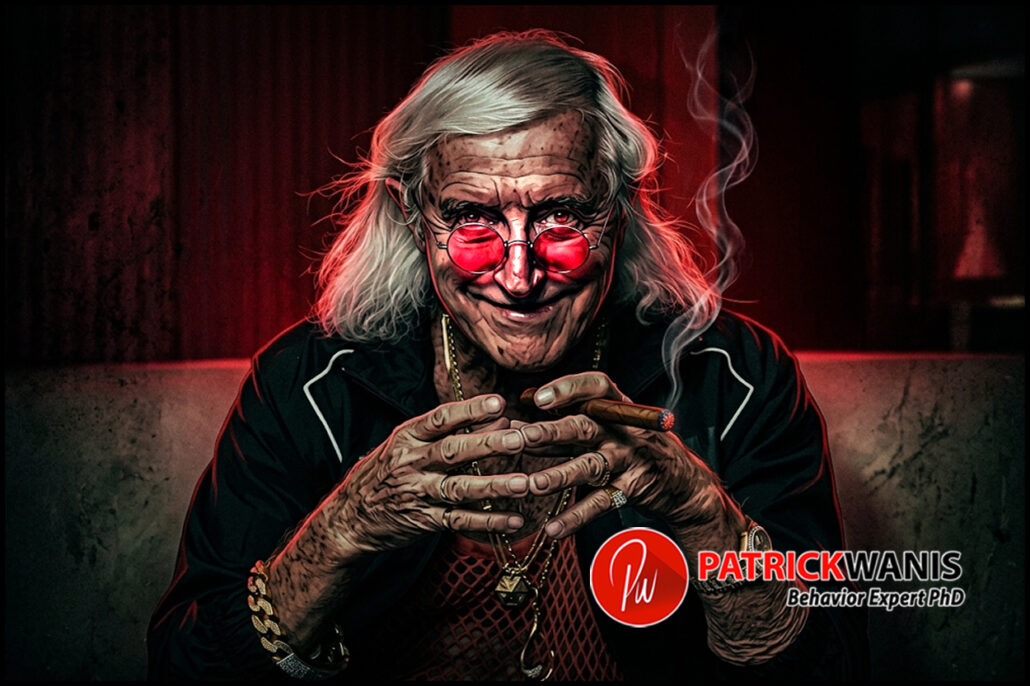
And there is an even deeper layer being exposed here, one that goes beyond the individual men involved. The real scandal is the institutional complicity of the massive media corporations and networks that enabled them. In the UK, the Russell Brand case carries an unmistakable echo of the Jimmy Savile sexual abuse scandal. For decades, Savile used his celebrity status and the shield of the BBC to prey on victims while executives looked the other way, protecting ratings and reputation over human lives. Saville sexually assaulted over 450 underage girls and adult women over period of more than 5 decades. The critical difference today is that society is no longer waiting until after a perpetrator dies to expose the truth.
Ironically, the very corporate media establishment that Russell Brand now attacks is the same machine that profited from his fame, ignored warning signs, protected his image, and allowed his behavior to continue unchecked for years.
For decades, fame, money, and corporate protection acted as a shield against personal accountability. That shield is breaking.
Real growth, both for individuals and for society, requires honoring personal boundaries, respecting the right of every person to say “no” at any moment, and refusing to let politics or celebrity blind us to basic human decency.

Patrick Wanis, PhD, is a renowned relationship and behavioral expert with over 25 years of experience. Creator of SRTT Therapy (Subconscious Rapid Transformation Technique), he specializes in resolving root causes of trauma and other conditions without reliving pain or retraumatization. He has developed various psychological assessments on emotional intelligence, relationships, self-sabotage, and authenticity, and serves diverse clients from celebrities to teens. A trusted media source, Global media including CNN, BBC, FOX News turn to Wanis for insights into relationships, sexuality, human motivation, trauma, communication, body language, and persuasion.